
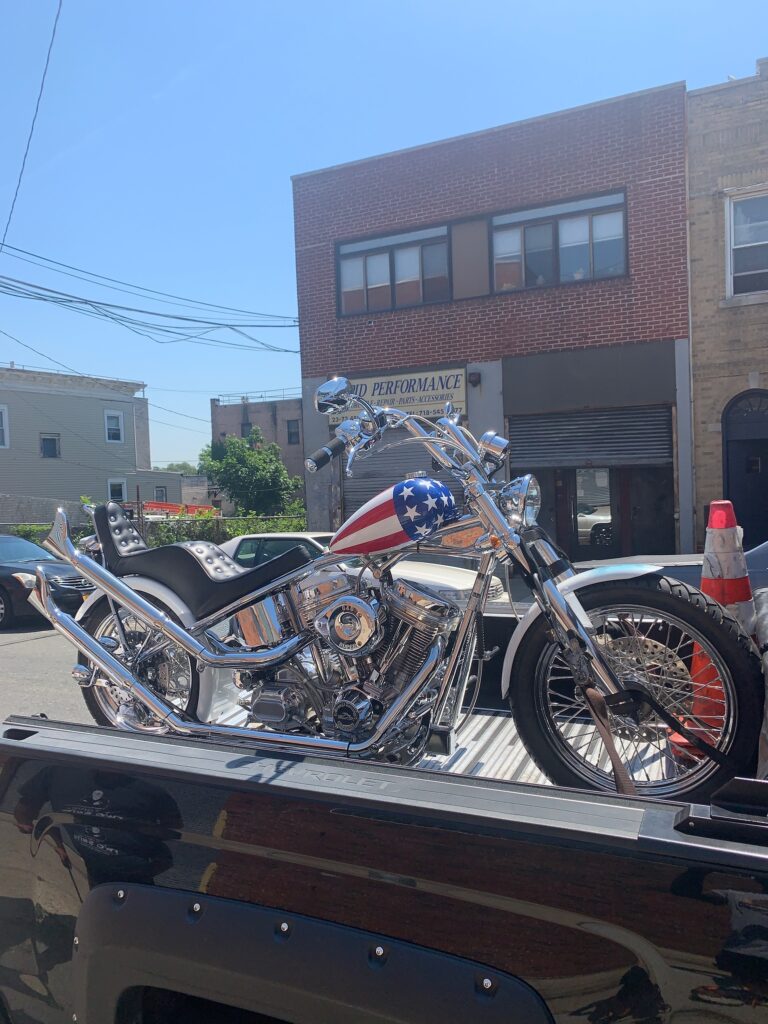
Moto transportation belongs on the moving calendar as soon as the rider knows where the motorcycle will sleep on the final night and first night of the move. Waiting until the furniture truck is packed can create a problem: the motorcycle may not be authorized cargo, the new building may have limited garage access, and the rider may no longer have the time or equipment to solve either issue.
Work backward from the first fixed deadline
Start with the event that cannot move. It might be a lease end, a building elevator reservation, a storage-unit appointment, a dealership closing time, or a flight. Place that deadline on the calendar, then identify when the motorcycle must be accessible for loading. If household boxes will surround it, schedule the bike before the garage or driveway becomes a staging area.
For an in-city move, several days of lead time may be enough when access is simple and the schedule is flexible. Complex moves deserve earlier coordination. Examples include a non-running motorcycle in a basement garage, a destination that requires a certificate or appointment, an antique bike that needs special handling, or a move timed around a building’s narrow service window. The point is not an arbitrary number of days; it is allowing time to resolve the known constraints.
Three booking moments that tend to work
Before the household move
Transporting the motorcycle to secure storage or the new garage first keeps it away from movers, boxes, and open doors. This option works well when the destination is ready and the owner can receive the bike. It also leaves time to correct an access surprise before the lease handover becomes urgent.
Between packing and move-in
A middle-window pickup can reduce overlap, but only if the motorcycle remains reachable. Keep its keys, documents, and route to the street separate from packed belongings. Confirm that the destination will accept the bike even if the resident has not fully moved in.
After the furniture arrives
Moving the motorcycle last may suit riders who still need local transportation. The risk is that the old location may lose legal access or the owner may be exhausted and unavailable. Use this option when the pickup point remains secure and the schedule has a genuine buffer.
Do not assume the moving truck will take it
Household movers have their own cargo, fuel, insurance, and equipment rules. Ask in writing whether a motorcycle is accepted rather than relying on a casual conversation. Even when a mover can take it, compare the loading method, tie-down approach, delivery timing, and how the bike will be separated from household goods. A motorcycle wedged among furniture is not equivalent to motorcycle-specific transport.
If the bike will travel separately, coordinate the two arrivals. The motorcycle transporter needs a clear curb or garage entrance, not a lane blocked by a box truck and unloading crew. Staggering the appointments by a few hours can remove avoidable congestion.
The new address needs a motorcycle plan
Ask the landlord, garage operator, or building manager where motorcycles may enter and park. Some facilities use different gates, ramps, or access cards for two-wheeled vehicles. Note low pipes, tight turns, slick coatings, and mechanical platforms. If the bike will go to temporary storage, confirm the unit or space is permitted for vehicle storage and whether fuel or battery rules apply.
Do a virtual walk from street to parking space. Who opens the gate? Can a transport vehicle stop legally nearby? Is the owner required to be present? Could construction or a street closure block the entrance? A ten-minute call to the destination often answers more than an hour spent studying the map.
Moto transportation information to gather before requesting a date
Prepare the motorcycle’s make, model, approximate dimensions, running condition, and modification list. Add both addresses, floor or garage level, contact names, date range, and any building restrictions. If the bike has flat tires, locked steering, missing keys, crash damage, or fluid leaks, disclose that plainly. Photos of the parking position and exit route can be more useful than a polished photo of the motorcycle.
MAD Transpo NYC describes 24/7 towing, transportation, and roadside assistance for motorcycles and other motorbikes in the New York City metropolitan area. When requesting a move, distinguish a planned transport from an urgent roadside call and explain whether the destination is a residence, mechanic, dealership, storage site, or tow pound. That context shapes the schedule and handoff.
A one-week moving timeline
- Seven days out: confirm both access points and request transport using accurate bike details.
- Three days out: verify the receiving window, weather outlook, and contact numbers.
- The day before: remove loose accessories, locate the key, photograph the bike, and keep the exit clear.
- Pickup day: keep the phone available, complete the condition walkaround, and confirm the destination again.
- After delivery: inspect the bike before placing it in storage and retain the transport record with moving documents.
This timeline can compress or expand, but the order matters. Access and authorization come before packing details; physical preparation comes after the date is credible; the final inspection happens before the motorcycle disappears into a crowded garage.
When postponing is the sensible move
Delay the motorcycle leg if the destination cannot legally receive it, the bike cannot be reached without moving unsafe obstacles, severe weather makes loading hazardous, or the recipient has not confirmed. A delayed handoff is inconvenient. A motorcycle stranded at a closed building or loaded from an unsafe curb is worse.
Moving already contains enough uncertainty. Treat the motorcycle as its own small project with one owner, one schedule, and a written destination plan. That separation makes the rest of moving day quieter.
Coordinate the motorcycle with the keys to the new home
Moving-day sequencing becomes easier when the rider treats building possession as a hard boundary. Do not send the motorcycle toward a new address before someone has the keys, garage access, and authority to receive it. If a lease begins at noon, a 9 a.m. delivery based on hoped-for access creates a motorcycle with nowhere lawful to go. Likewise, do not schedule pickup after surrendering the old garage remote or loading-dock reservation.
A useful technique is to assign one person as motorcycle coordinator even when a household has several helpers. That person keeps the ignition key, transport contact, receiving instructions, and condition photos. Movers can then focus on furniture without answering questions about the bike or accidentally packing the gear needed for handoff.
If the move crosses more than one day
Ask where the motorcycle will be secured overnight and who is responsible for each custody change. Temporary storage should be confirmed, not inferred from a flexible delivery window. If the bike goes to a mechanic between homes, tell the shop that it is a transport stop rather than an authorization for unspecified work. If it goes to a friend, verify that the property allows it and that the friend can legally accept the key.
Keep a small move packet outside the boxes: registration and insurance information, purchase or ownership record as appropriate, building contacts, photographs, the transporter’s scope, and the destination confirmation. This packet should not contain passwords or unnecessary identity documents. Its purpose is to make the move traceable when the rest of the household is surrounded by unlabeled bags and competing phone calls.
To place the motorcycle on your moving schedule, share the date range, bike condition, origin access, destination rules, and receiving contact with MAD Transpo NYC and ask what pickup window is realistic.