
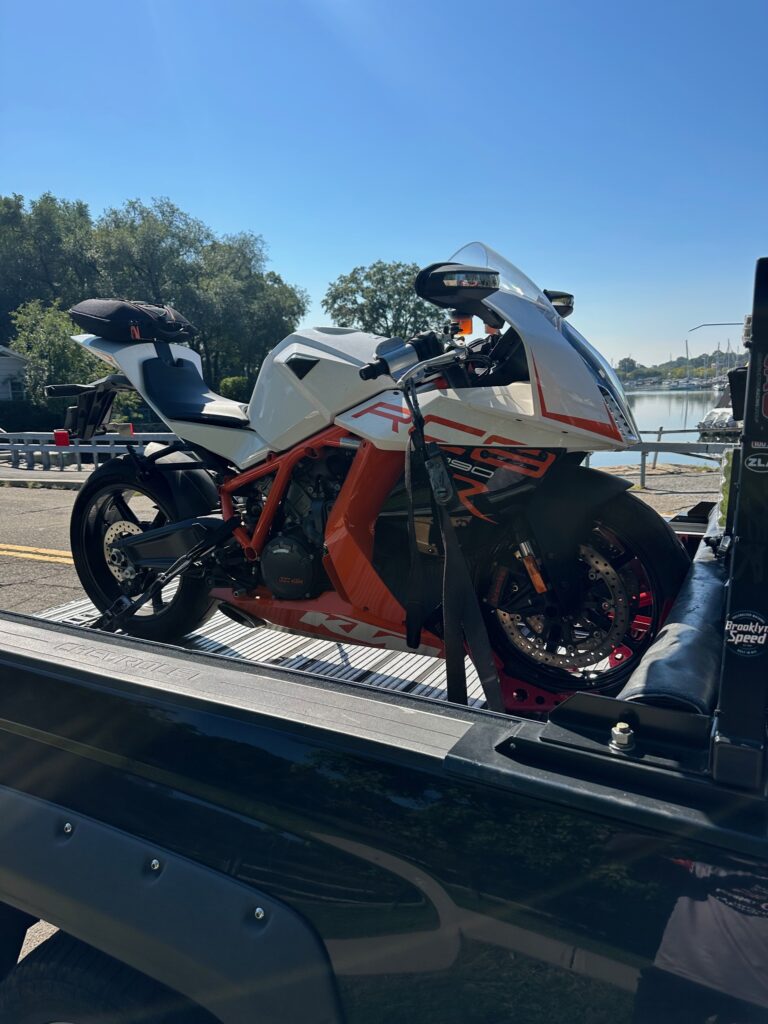
cheap motorcycle transport is easiest to arrange when the rider can describe the bike, the pickup point, and the destination clearly. This guide focuses on checking whether a low transport quote still covers the essentials. The goal is to protect the rider first, prevent additional damage, and make the handoff understandable from the first call through delivery.
Compare the Same Scope, Not Just the Same Price
Safety comes before the schedule. If the motorcycle or scooter is near moving traffic, step away from the travel lane and use a safer nearby location when one is available. Do not attempt a roadside repair that requires standing in traffic, leaning beneath an unstable bike, or handling leaking fuel. If a collision occurred or anyone is injured, use the appropriate emergency process before arranging transport.
Once the immediate scene is controlled, note the exact location. A street address alone may not identify the side of a divided road, a garage entrance, or a bridge approach. Record the cross streets, direction of travel, nearby landmark, and any access barrier. That information lets a dispatcher judge the approach and reduces avoidable circling.
What to Share During a cheap motorcycle transport Request
Describe the vehicle accurately: make, model, approximate weight, wheel and steering condition, visible damage, and whether the key is available. Mention saddlebags, a top box, a long wheelbase, lowered suspension, wide handlebars, or other changes that may affect loading. If the bike cannot roll freely, say why rather than assuming standard equipment will handle it.
- Exact pickup and delivery addresses, including entrance instructions
- Whether the bike rolls, steers, and holds air in both tires
- Any crash damage, fluid leak, locked wheel, or missing key
- Garage height, ramp, elevator, loading-zone, or gate constraints
- Contact names and receiving hours at both ends of the trip
Photos can help when they show the whole bike, the damaged area, and the path from the bike to the street. Send them only from a safe position. A clear description helps MAD Transpo NYC prepare for the actual move instead of discovering a preventable mismatch at arrival.
Confirm the Loading and Securement Method
A low price should still include a suitable loading method, stable tie-downs, reasonable protection for the bike, clear pickup and delivery terms, and a way to address changes. Ask which services are included and which circumstances create additional charges.
Good securement limits unwanted movement without crushing components or over-compressing the suspension. Ask how the operator checks the bike after it is loaded and whether loose accessories should be removed. Keep the key and any removable valuables with the agreed person unless the operator specifically needs them for steering or delivery.
Account for New York Access and Timing
New York access conditions can affect time and labor. Stairs, underground garages, loading restrictions, tow-pound procedures, event schedules, or a receiving shop that closes early should be disclosed before the quote is finalized.
Build a realistic window around those constraints. A narrow appointment can fail if traffic changes or the destination cannot receive the vehicle. Confirm who will be present, which phone number works during the move, and whether a doorman, garage attendant, mechanic, dealer, or property manager needs advance notice.
Understand the Quote Before Dispatch
Ask what the price covers and which conditions could change it. Useful questions include whether tolls, waiting time, after-hours service, extra labor, garage recovery, non-rolling wheels, or a changed destination are treated separately. Do not compare a bare starting price with a quote that includes the complete known scope.
Confirm the payment method and when payment is due. If details change after booking, call before the operator arrives. An updated estimate is easier to evaluate than a surprise created by an undisclosed locked wheel, inaccessible garage, or closed receiving location.
Prepare the Bike and the Receiving Location
Remove loose items that can shift or disappear, including unsecured covers, phone mounts, detachable luggage, and personal belongings. Photograph the motorcycle from several angles and note existing cosmetic damage. Do not drain fluids or disconnect components unless the provider requests it and you know how to do so safely.
At the destination, confirm the exact placement point. A repair shop may want the bike in a service lane; a residence may have gate or garage instructions; a storage facility may require identification. The receiving person should understand the bike’s condition and know whether it can be pushed safely after unloading.
Keep a Simple Condition Record
A practical record does not need to be complicated. Take timestamped photos before loading and after delivery, retain the booking details, and write down any existing damage or missing parts. If another person releases or receives the bike, make sure they know the agreed scope and can confirm the handoff.
This record supports clear communication. It also helps the owner separate a preexisting scrape or mechanical issue from anything observed later. Avoid making mechanical claims you cannot verify; describe what you can see and hear in plain terms.
Questions Worth Asking Before You Commit
- What equipment will be used for this specific bike and condition?
- How will pickup and delivery timing be communicated?
- What happens if the destination is closed or access is blocked?
- Which charges are included, and what can change the estimate?
- Who should be called if the rider cannot remain at the scene?
The quality of the answers matters as much as their speed. Look for specific explanations tied to your bike and route. Vague assurances do not replace a loading plan, a confirmed destination, or transparent terms.
Avoid Common Handoff Problems
Many delays begin with small omissions: the wrong side of the street, a steering lock without a key, a flat tire described as rolling, a garage clearance problem, or a repair shop that has already closed. Review the booking once from the operator’s perspective. Could someone unfamiliar with the situation locate, access, load, and deliver the bike using the information provided?
Stay reachable during the service window. If you cannot, name one authorized contact and share that person’s number in advance. Do not leave keys or documents in an unsecured public location. A controlled handoff protects the motorcycle and keeps responsibility clear.
After Delivery, Close the Loop
Inspect the bike before moving it further. Compare it with the pre-load photos, confirm that removable items are present, and note where the key was placed. If the bike is at a mechanic, provide a concise description of the symptoms and any event that preceded the breakdown. Transport solves the movement problem; it does not diagnose the mechanical cause.
Save the provider’s contact information and the final receipt with your maintenance records. If the experience revealed a gap—such as no accessible destination after hours or no record of the bike’s dimensions—update your personal plan before the next ride.
Build a Plan Before the Next Urgent Moment
The best time to think through transport quote details is before the motorcycle is disabled. Keep the bike’s essential information, a preferred repair destination, an alternate after-hours location, and an emergency contact in your phone. Riders who use monthly storage should also record facility access rules and the best entrance for a transport vehicle.
MAD Transpo NYC provides motorcycle and motorbike towing, transportation, and roadside assistance in the New York City metro area, including transport for motorcycles, scooters, ATVs, trikes, Can-Am vehicles, vintage and classic bikes, and dirt bikes. Matching the request to the vehicle and location makes the service easier to coordinate.
Final Checklist
- Move yourself away from traffic and immediate hazards.
- Pin the exact pickup point and describe access limits.
- Share the bike’s condition, key status, and wheel movement.
- Confirm the destination, receiver, hours, and placement point.
- Ask about equipment, timing, included charges, and updates.
- Photograph the bike before loading and after delivery.
A few minutes of preparation can prevent a long delay and reduce uncertainty for everyone involved. The most reliable plan is specific about the bike, transparent about the route, and clear about who controls each handoff.
If you need help coordinating cheap motorcycle transport or another motorcycle move in the New York City metro area, contact MAD Transpo NYC to discuss the bike, pickup conditions, destination, and timing.