
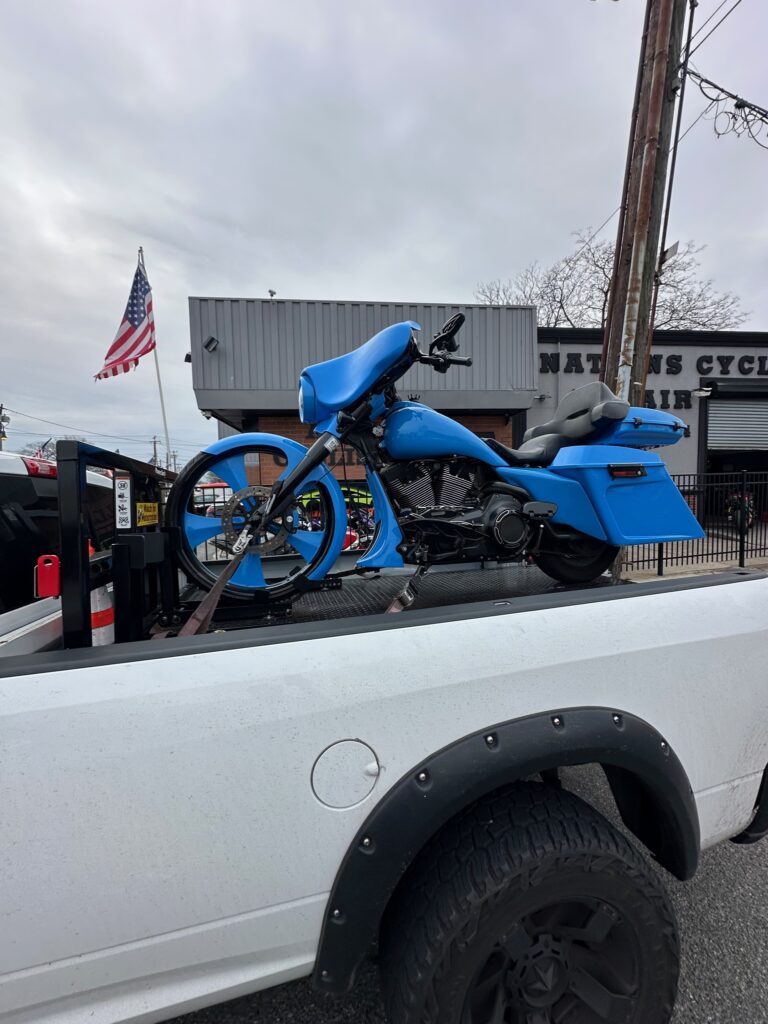
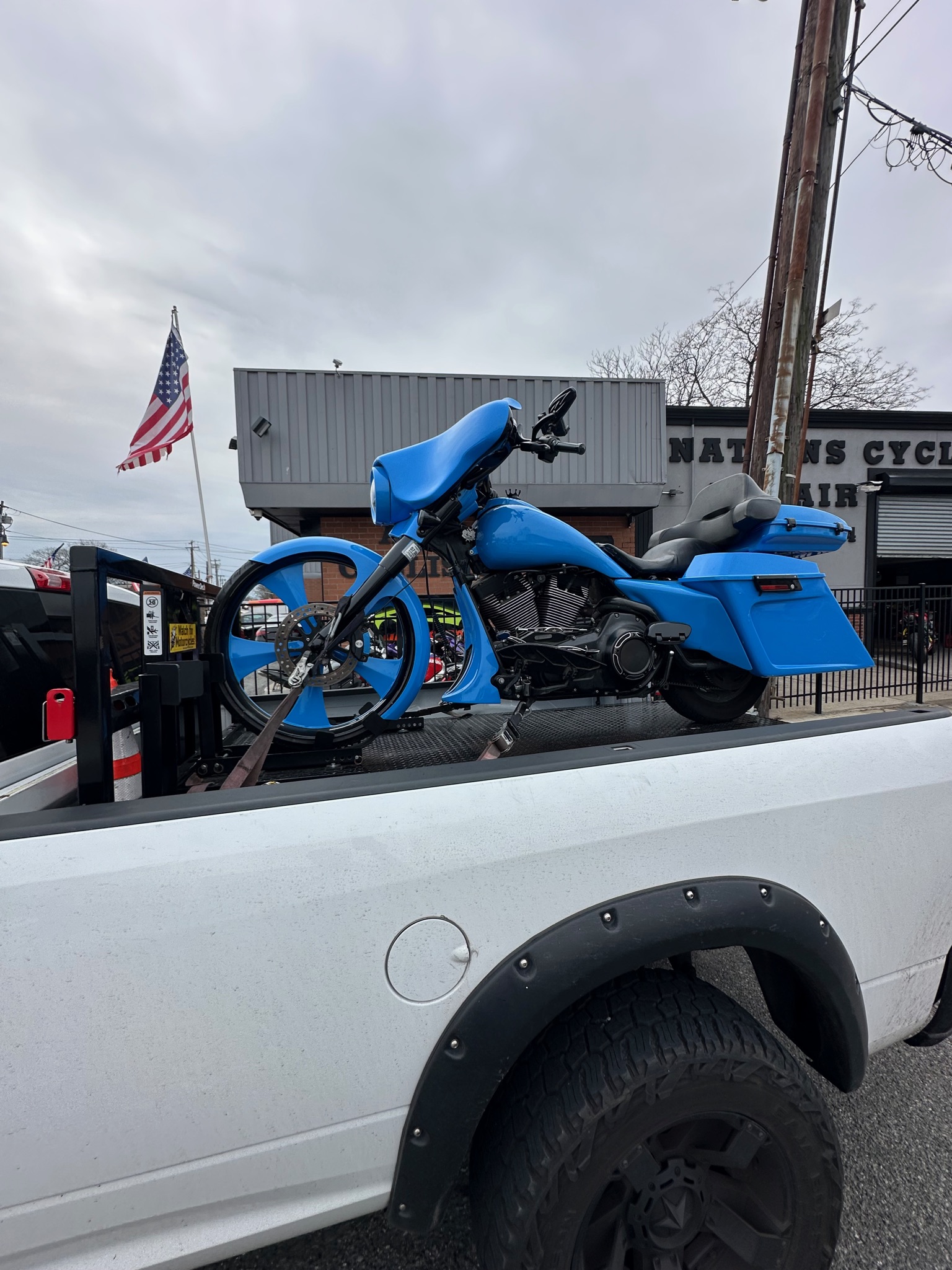
Group rides are one of the best parts of motorcycle life around New York. A morning run up the Hudson, a weekend loop through Long Island, or a club ride across the boroughs is more fun with friends. But when one bike in the group breaks down, the whole ride stops. Without a plan, a simple problem can turn into a long, confusing wait on the shoulder.
This guide is for ride leaders, road captains, and anyone who organizes group rides. It covers how to plan for motorcycle roadside assistance before the ride, what to do when a bike goes down mid-route, and how to keep the rest of the group safe while help is on the way.
Why group rides need a roadside plan
When you ride solo, a breakdown affects only you. In a group, a breakdown raises new questions:
- Who stays with the rider who broke down?
- Does the rest of the group wait, continue, or turn back?
- Who calls for help, and who has the details?
- How does the group stay safe while stopped on a busy road?
Deciding these things in the parking lot before the ride is much easier than deciding them on the side of an expressway.
Before the ride: build the plan
Collect basic rider info
For each rider, the ride leader or a designated sweep rider should have:
- Name and phone number
- Bike year, make, and model
- An emergency contact
- Whether they have a roadside assistance plan or preferred towing company
Keep it simple. A shared note or group chat is enough, as long as it is accessible offline if service is spotty.
Assign roles
Most organized groups use a few standard roles:
- Ride leader. Sets the route, pace, and stops.
- Sweep rider. Rides at the back and stays with anyone who has a problem.
- Contact person. Makes the roadside call if the rider who broke down is shaken up or busy.
The sweep rider is especially important. Because they ride last, they are usually the first to see a bike pull over.
Know the route
Review the route ahead of time and note:
- Places where a breakdown would be especially hard to handle, like bridges or narrow highway stretches
- Safe regroup points, such as gas stations and parking lots
- Areas where cell signal may be weak
- Exits and cross streets you can use to describe your location
Save a 24/7 roadside number
Make sure at least the ride leader and sweep rider have a 24/7 motorcycle roadside assistance number saved. If the ride stays within the New York City metro area, MAD Transpo NYC’s dispatch line, 929-265-0526, is one option to keep in your contacts.
Run a quick pre-ride check
Many roadside calls on group rides start with problems that could have been spotted in the parking lot. Before the group leaves, encourage every rider to do a fast check:
- Tires. Pressure checked and no obvious cuts, bulges, or embedded objects.
- Fuel. Enough to reach the first planned stop, with a margin.
- Lights and signals. Headlight, brake light, and turn signals working.
- Chain or belt. Properly adjusted and not visibly worn.
- Battery. Bike starts easily, especially on cold mornings.
It takes a few minutes and can save the group a long stop later.
Agree on signals
Groups often use hand signals or intercom systems to communicate on the road. Before the ride, agree on how a rider will signal a mechanical problem, such as pointing to the bike and then the shoulder, so the sweep rider knows to pull over with them. If riders use intercoms, make sure the sweep rider is connected to the leader.
During the ride: when a bike goes down
Step 1: Get everyone safe
When a bike pulls over, the group should not stop in a cluster on a narrow shoulder. A common approach:
- The sweep rider pulls over with the affected rider, if it is safe.
- The rest of the group continues to the next safe stop, such as an exit or parking lot.
- Everyone stays well off the roadway and behind barriers where possible.
If anyone is injured or there was a crash, call 911 first.
Step 2: Assess the problem
The sweep rider and the affected rider take a quick look. Is it something simple, like a loose connection, or does the bike need a tow? Avoid trying complicated repairs on a busy roadside.
Step 3: Make the call
If a tow or road service is needed, make one clear call with all the key details:
- Exact location, direction of travel, and nearest exit or cross street
- Bike year, make, and model
- What happened and whether the bike starts and rolls
- Where the bike should go
- A phone number that will stay on
Step 4: Decide what the group does
Once help is on the way, the ride leader decides with the group whether to wait, continue, or end the ride. Things to consider:
- How long help may take to arrive
- Whether the affected rider needs a ride home or will go with the truck
- Weather and daylight remaining
- How tired the group is after the stop
Often, the sweep rider stays with the affected rider until the tow arrives, while the rest of the group regroups and decides the next move.
Getting the rider home, too
A tow solves the bike problem, but the rider still needs to get home. Options include:
- Riding along with the tow truck, if the company allows it
- Getting a lift from another rider with a passenger seat and spare gear
- A rideshare or public transit from the nearest station
- A family member or friend picking them up
Ask the towing company whether the rider can ride along before assuming they can.
Special cases on group rides
Rides that leave the city
Many group rides head out of the city. If you are going far, check whether your chosen roadside service covers the whole route. MAD Transpo NYC serves the New York City metro area, so for longer rides, confirm coverage with any company before you go.
Mixed bikes and experience levels
Groups often include everything from cruisers to sport bikes. A trike or heavy touring bike may need a different truck setup, so mention the bike type when you call.
Bridges and tunnels
Many NYC group rides cross bridges, where shoulders can be narrow or missing. If a bike has trouble on a crossing, the safest move is usually to keep rolling gently to the far side if the bike can, rather than stopping mid-span. If it cannot, turn on the hazards, get yourself to the safest spot away from moving traffic, and call 911 if the bike is blocking a lane.
Night rides
Breakdowns after dark are harder to handle. Make sure the sweep rider carries a light, and the group has a clear meeting point in case it needs to regroup.
After the ride: follow up
Once everyone is home, the ride leader should check in with the rider who broke down. Confirm the bike arrived where it was supposed to and that the rider got home safely. Then think about what went well and what could be smoother next time. Maybe the regroup point was hard to find, or nobody had the right number saved. Small adjustments make the next ride easier for everyone.
A quick group ride roadside checklist
- Rider list with phone numbers and bikes
- Assigned ride leader and sweep rider
- Route reviewed with regroup points
- 24/7 roadside number saved by leader and sweep
- Plan for what the group does if a bike goes down
- Plan for getting the affected rider home
Frequently asked questions
What should a group do when one motorcycle breaks down?
The sweep rider stays with the affected rider while the group moves to a safe stop. Once help is called, the ride leader decides with the group whether to wait, continue, or end the ride.
Who should call for roadside assistance on a group ride?
Usually the affected rider or a designated contact person who has the bike details and location. Make one clear call rather than several.
Can the rider go with the tow truck?
Sometimes. Ask the towing company when you call whether a passenger can ride along.
Does MAD Transpo NYC help riders on group rides?
MAD Transpo NYC provides 24/7 motorcycle roadside help and towing in the New York City metro area. Call 929-265-0526 to request help for any rider in your group.
Ride together, plan together
A little planning keeps one breakdown from ending everyone’s day. Save MAD Transpo NYC’s 24/7 dispatch number, 929-265-0526, before your next group ride. For planned moves, use the MAD Transpo contact page, and see all roadside and towing services.