
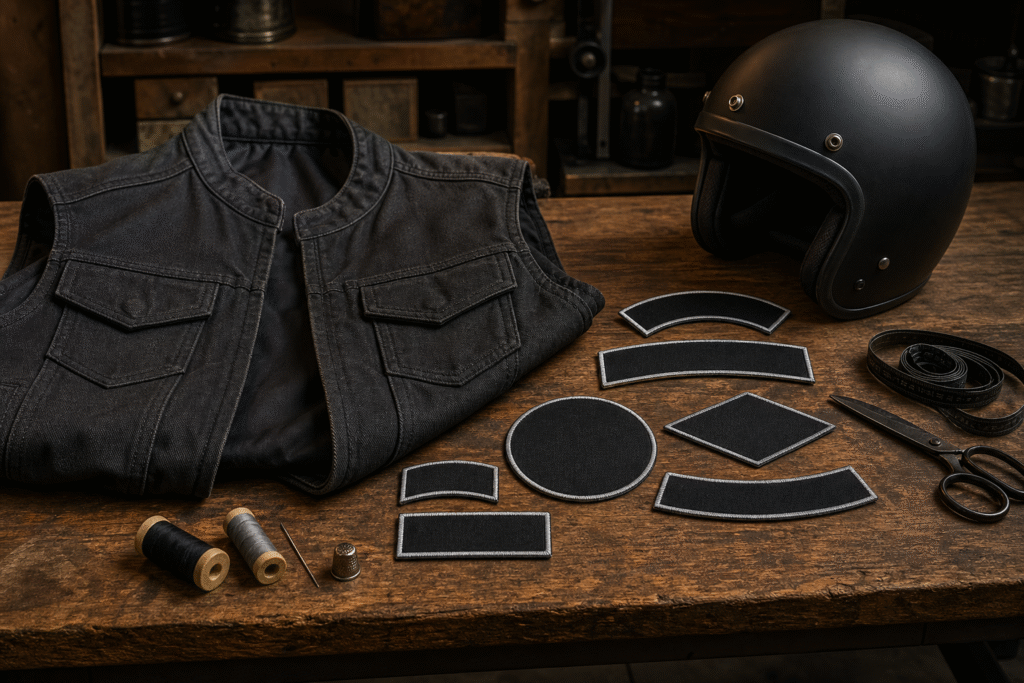
Searching for motorcycle club patches meanings is usually the beginning of a decision, not the end of one. NYC riders get better results when they verify the source, define what they actually need, and plan the motorcycle’s movement as carefully as the destination or paperwork. This guide focuses on reading motorcycle-club insignia carefully without making assumptions about a person or organization. It also explains when MAD Transpo NYC may fit into the logistics, based on its stated motorcycle, dirt-bike, ATV, trike, classic-bike, roadside-assistance, and tow-pound transportation services in the New York City metropolitan area.
Patch layouts do not have a single universal dictionary. A center emblem, top or bottom rocker, “MC” cube, officer title, memorial patch, riding-club identifier, or support patch may carry a meaning established by that organization. Color, shape, and placement should be interpreted in context, not as automatic proof of status or intent. A precise definition prevents a confident but irrelevant answer. Write down the date, vehicle, location, documents, access limits, and desired outcome before comparing options. That simple step makes phone calls shorter and exposes missing information while there is still time to solve it.
The first page found in a search should be treated as a lead. Confirm operational details with the facility, organization, seller, police agency, motor-vehicle department, garage, or other authority responsible for the decision. Save names, dates, screenshots, reservation numbers, and written instructions so a later change can be traced.
Verify the Details Before Committing
A multi-piece back patch often identifies a group and a geographic reference, while smaller front patches may show a name, role, chapter, achievement, or remembrance. Those are common patterns, not rules. Some riding associations use similar visual elements without following the customs of traditional motorcycle clubs. Make a short comparison table with “confirmed,” “needs confirmation,” and “not applicable” columns. This is especially useful when several sources use similar language but describe different services, legal situations, access levels, or historical definitions.
Do not let one attractive detail dominate the choice. Low price, short distance, fast availability, or a familiar name can distract from ownership documents, permitted use, security, rider ability, loading access, or cancellation rules. A sound plan works end to end, including the return trip and a contingency.
Plan the New York City Logistics
New York riders encounter many organizations at charity runs, shops, shows, and community events. The safest approach is observation and courtesy: read only what is plainly displayed, avoid photographing or touching someone’s vest without permission, and ask neutral questions when conversation is welcome. Add buffer for traffic and handoffs rather than assuming an ideal map estimate. The pickup and delivery environments matter: curb space, building rules, loading zones, low clearances, stairs, locked gates, appointment windows, and narrow driveways can change what equipment is needed.
Keep critical information in one place: addresses, contact numbers, vehicle description, VIN when relevant, keys, access instructions, and the name of the person authorized to release or receive the motorcycle. If another person is involved, confirm exactly what identification or paperwork they must present.
Questions Worth Asking
- Is this a motorcycle club, riding club, association, or event patch?
- Does the organization explain its own insignia?
- Is the patch a role, chapter, memorial, or achievement marker?
- Could the design be regional rather than universal?
- Is permission appropriate before taking a photo?
- Am I relying on a seller or an official source?
- Would a neutral question be more respectful than an assumption?
Ask these questions directly and record the answers. Open-ended wording is useful: “What could prevent this from being completed on the planned date?” often reveals a condition that a yes-or-no checklist misses. If the answer affects legality, money, or release of the motorcycle, request written confirmation or consult the responsible agency.
Common Mistakes and How to Avoid Them
Online charts frequently flatten regional traditions into rigid claims. That can create unnecessary conflict and spread misinformation. Do not imitate an established group’s name, colors, territory wording, or distinctive emblem, and do not buy a patch simply because a seller assigns it a dramatic meaning. Another common mistake is waiting until pickup to disclose that the motorcycle does not start, roll, steer, or have usable tires. Those facts affect staffing, equipment, timing, and access, so they should be shared before a transport appointment is accepted.
Avoid rushing because a deadline feels close. When information conflicts, pause and identify which source controls the decision. A current official rule or the property operator’s direct instruction usually matters more than a forum post, old video, seller’s assumption, or undated checklist. When in doubt, verify again.
When Motorcycle Transport Becomes Part of the Answer
Respect also applies when moving a motorcycle to a club event, show, or gathering. Confirm the delivery point, arrival window, unloading rules, and contact person. Keep personal gear and garments with their owner rather than placing them on transported equipment where they can be lost or damaged. MAD Transpo NYC states that it transports motorcycles and other motorbikes, including dirt bikes, ATVs, trikes, Can-Am vehicles, and vintage or classic motorcycles, and provides roadside assistance and NYPD tow-pound recovery in the NYC metropolitan area.
Before booking any move, describe the vehicle truthfully and completely. Include make and model, approximate size, current condition, keys, steering lock, loose parts, pickup and delivery access, preferred timing, and the person responsible at each end. Photographs can help document pre-transport condition and unusual access.
A Practical Day-of Checklist
- Observe before interpreting
- Avoid universal claims
- Use the organization’s own explanation
- Do not touch another rider’s vest
- Ask before photographing insignia
- Do not copy established colors or emblems
- Separate club customs from advocacy groups
- Treat memorial patches with care
- Keep event logistics organized
- Choose respectful language
Run the checklist once when planning and again before departure or pickup. A second pass catches changes in weather, access, staffing, documents, and vehicle condition. Keep originals protected, but make accessible copies of information that another authorized person may need during the handoff.
Budget Time, Cost, and Contingency
Build the budget from categories instead of one headline number. Depending on the situation, that can include admission or membership, tolls, fuel, insurance timing, taxes, registration, parking, storage, equipment, loading help, transport, rescheduling, and an emergency reserve. Mark estimates separately from confirmed charges, and ask what can change after an inspection, weather event, access problem, or altered appointment window.
Time deserves the same treatment. Separate preparation, travel, waiting, paperwork, loading, unloading, inspection, and return travel. In the New York City area, a short distance can still involve a long handoff if curb access is blocked or a facility uses timed releases. Share realistic windows with every person involved and avoid scheduling another fixed commitment immediately afterward.
A contingency is not a prediction that something will go wrong; it is a prepared response if conditions differ from the plan. Choose a backup date or destination, identify who can authorize a change, keep a secure place for the motorcycle, and decide when to stop rather than improvise. A written fallback protects the vehicle and reduces pressure on riders, sellers, venue staff, and transport professionals.
Make the Decision Easy to Review
A good plan should be understandable to someone who was not part of the original search. Summarize the goal, confirmed facts, remaining questions, cost categories, timing, contacts, and fallback. This makes it easier to spot contradictions and reduces last-minute decisions made from memory.
After the trip, transaction, appointment, or pickup, note what worked. Save the final route, facility instructions, agency guidance, garage terms, or transport details for future reference, but check them again next time. Rules, hours, contacts, and operational policies can change.
Final Takeaway
The best answer to motorcycle club patches meanings is the one that matches the rider’s actual situation and survives verification. Define the need, use authoritative sources, ask specific questions, prepare the motorcycle and documents, and leave room for NYC timing. That disciplined process is safer and more useful than choosing the first convenient result.
If the plan requires secure motorcycle transportation, roadside assistance, dirt-bike or ATV transport, or help moving a motorcycle from an NYPD tow pound, contact MAD Transpo NYC to discuss the vehicle, access, timing, and destination and request a quote grounded in the company’s stated services.