
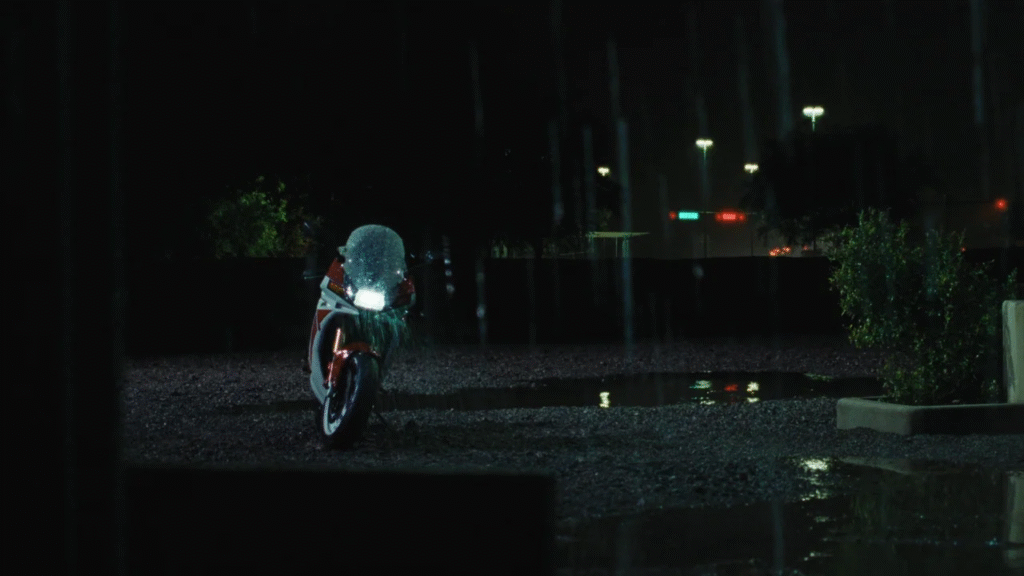
Every motorcycle rider has been caught in the rain at least once. Sometimes it’s a light drizzle on the way home, and other times it’s a sudden downpour that seems to appear out of nowhere. While modern motorcycles are designed to handle wet conditions, that doesn’t mean rain has no effect on your bike. Over time, moisture, road grime, and poor maintenance can lead to corrosion, electrical issues, and premature wear on important components.
For riders in New York City, rain brings an additional set of challenges. Slick roads, painted lane markings, potholes filled with water, and heavy traffic all increase the risk of accidents and mechanical problems. Understanding how rain affects your motorcycle and knowing what to do afterward can help keep your bike running reliably throughout the year.
Are Motorcycles Built to Handle Rain?
The good news is yes. Modern motorcycles are built with weather-resistant electrical systems and components that are designed to operate safely in wet conditions. Manufacturers know riders will inevitably encounter rain, so most motorcycles can handle occasional wet rides without suffering immediate damage.
However, there’s an important difference between riding in the rain and neglecting your motorcycle after getting wet.
Rain itself usually isn’t the problem. Allowing water, dirt, and road salt to remain on your motorcycle for days or weeks is what often causes long-term damage.
Why Riding in NYC Rain Is Different
New York City streets aren’t like open highways.
Rainwater mixes with oil, dirt, brake dust, construction debris, and other contaminants that collect on the pavement. During the first few minutes of rainfall, roads often become even more slippery because these substances rise to the surface before eventually washing away.
Riders also have to deal with:
- Heavy stop-and-go traffic
- Steel construction plates
- Painted crosswalks
- Subway grates
- Deep potholes hidden by standing water
- Sudden lane changes from distracted drivers
These conditions make defensive riding even more important whenever rain begins.
Watch Out for Standing Water
One of the biggest mistakes riders make is assuming a puddle is only a few inches deep.
In reality, standing water can hide:
- Large potholes
- Broken pavement
- Curbs
- Loose debris
- Construction materials
Hitting one of these obstacles unexpectedly can damage your wheels, suspension, or tires.
If possible, avoid riding through standing water entirely. If you must cross it, reduce your speed and keep the motorcycle as upright as possible.
Water Can Affect Your Chain
Your motorcycle chain is constantly exposed to the elements.
Rain washes away lubricant while also introducing dirt and moisture into the chain links.
If the chain isn’t cleaned and lubricated after repeated wet rides, it may begin to:
- Rust
- Develop stiff links
- Wear prematurely
- Stretch faster than normal
Fortunately, preventing this is simple.
After the motorcycle dries, clean the chain using an appropriate chain cleaner before applying fresh lubricant.
This small maintenance habit can significantly extend the life of both the chain and sprockets.
Your Brakes Need Attention After Rain
Motorcycle brakes usually continue working well in wet weather, but performance can temporarily decrease until moisture is removed from the brake rotors.
Many experienced riders gently apply the brakes a few times after riding through heavy rain to help dry the braking surfaces.
Once you’re home, inspect:
- Brake pads
- Rotors
- Brake lines
- Brake fluid level
If braking performance continues to feel unusual after everything has dried, have the motorcycle inspected before riding again.
Can Rain Damage Motorcycle Electronics?
Most motorcycles are designed to protect sensitive electrical components from normal rain exposure.
However, problems can still develop if:
- Wiring has been modified incorrectly.
- Connectors become loose.
- Rubber seals wear out.
- Water enters damaged electrical components.
Common symptoms include:
- Dashboard warning lights
- Flickering displays
- Starting problems
- Headlight issues
- Turn signal failures
If electrical problems begin immediately after riding through heavy rain, avoid repeatedly attempting to start the motorcycle until it’s been inspected.
Tire Grip Changes Dramatically
Your tires are the only part of the motorcycle touching the road.
Even high-quality tires lose traction on wet pavement.
Reduce your speed and increase your following distance whenever roads are wet.
Avoid sudden:
- Acceleration
- Hard braking
- Sharp cornering
- Aggressive lane changes
Smooth riding inputs help maintain traction and reduce the likelihood of losing control.
Wash Your Motorcycle After Heavy Rain
One of the best things you can do after riding in bad weather is wash the motorcycle.
Many riders assume rain cleaned the bike.
Unfortunately, rain usually leaves behind:
- Road salt
- Dirt
- Sand
- Oil residue
- Brake dust
- Chemical contaminants
These materials can accelerate corrosion if left sitting on painted or metal surfaces.
A gentle wash followed by proper drying helps protect your motorcycle’s finish and mechanical components.
Dry the Motorcycle Completely
After washing or riding in the rain, don’t forget to dry the motorcycle thoroughly.
Pay close attention to areas where water tends to collect, including:
- Around the engine
- Under the seat
- Chain area
- Brake calipers
- Wheels
- Suspension components
Using a microfiber towel or compressed air helps remove moisture from hard-to-reach areas.
Inspect Your Tires After Every Wet Ride
Rain often hides sharp objects that can puncture motorcycle tires.
Take a minute to inspect both tires for:
- Nails
- Glass
- Screws
- Embedded debris
- Sidewall damage
Finding a small puncture early can prevent a dangerous blowout during your next ride.
Store Your Motorcycle Properly
If possible, keep your motorcycle in a garage or covered parking area after riding in the rain.
If outdoor parking is your only option, use a high-quality breathable motorcycle cover.
Avoid trapping moisture underneath inexpensive plastic covers, as this can actually increase condensation and encourage rust.
When Rain Leads to Mechanical Problems
Sometimes rain exposure reveals existing problems rather than causing new ones.
For example, water may enter a cracked ignition coil, damaged wiring harness, or worn electrical connector that was already beginning to fail.
If your motorcycle suddenly:
- Won’t start
- Stalls repeatedly
- Loses power
- Displays electrical warnings
- Produces unusual engine behavior
Don’t continue riding until the issue has been diagnosed.
Attempting to force the motorcycle home could lead to more expensive repairs.
Ride Smarter During Wet Weather
Rain doesn’t have to keep you off your motorcycle, but it should encourage you to ride more cautiously.
Reducing your speed, increasing your following distance, avoiding aggressive maneuvers, and performing basic maintenance afterward all help protect both you and your motorcycle.
Experienced riders understand that preparation is just as important as riding skill. Checking tire pressure, inspecting brakes, and keeping your motorcycle clean after wet rides can prevent many common problems before they become expensive repairs.
If heavy rain leaves your motorcycle unable to start or unsafe to ride, don’t take unnecessary risks trying to make it home. MAD Transpo NYC provides professional motorcycle towing and transport throughout New York City, helping riders safely move their motorcycles to a repair shop, dealership, or another destination without causing additional damage. Whether your bike has suffered a mechanical issue after a storm or simply isn’t safe to ride, you can count on MAD Transpo NYC to transport it with the care and professionalism every motorcycle deserves.