
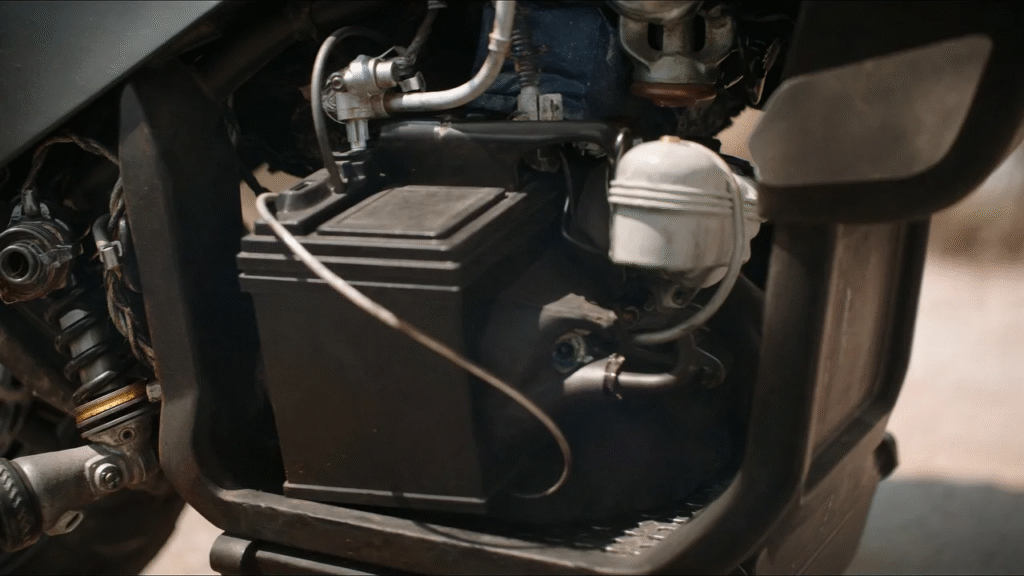
Few things are more frustrating than getting ready for a ride only to press the starter and hear nothing but a clicking sound. A healthy motorcycle battery is something most riders take for granted until it suddenly stops working. Unfortunately, batteries rarely last forever, and many riders don’t notice the warning signs until they’re stranded.
Whether you ride every day through New York City or only take your motorcycle out on weekends, understanding when your battery is beginning to fail can help you avoid unexpected breakdowns. Replacing a weak battery before it dies completely is much easier than dealing with a motorcycle that won’t start in the middle of Manhattan or on the side of the FDR Drive.
How Long Does a Motorcycle Battery Usually Last?
The average motorcycle battery lasts between three and five years, depending on how often the bike is ridden, the weather, and how well the battery has been maintained.
A motorcycle that’s ridden several times a week usually keeps its battery healthier than one that sits in a garage for months at a time. Long periods without riding allow the battery to slowly discharge, which shortens its lifespan over time.
Extreme temperatures also play a role. Cold winter mornings make it harder for batteries to produce enough power to start the engine, while excessive summer heat can cause internal damage that reduces battery life.
Your Motorcycle Takes Longer to Start
One of the earliest warning signs of a weak battery is a slow engine crank.
Normally, your motorcycle should fire up within a second or two after pressing the starter. If you notice the engine turning over much slower than usual, the battery may not be supplying enough power.
Many riders ignore this because the motorcycle still starts. However, slow cranking often gets worse over time until one day the bike refuses to start altogether.
If your motorcycle suddenly sounds different when starting, don’t assume it will fix itself. Have the battery tested before it leaves you stranded.
Clicking Sound When Pressing the Starter
A rapid clicking noise usually means the starter relay is receiving power, but the battery doesn’t have enough voltage to crank the engine.
This is one of the most common symptoms riders experience before replacing their battery.
Sometimes charging the battery will temporarily solve the problem, but if the clicking returns after a few rides, the battery is likely nearing the end of its life.
Dim Headlights and Electrical Problems
Motorcycle batteries power much more than just the starter.
A weak battery can also affect:
- Headlights
- Brake lights
- Turn signals
- Digital displays
- Horn
- GPS units
- Phone chargers
- Heated gear
If your headlights appear dim while idling or your dashboard flickers when starting the motorcycle, your battery should be inspected.
Electrical issues often appear gradually, making them easy to overlook until the battery completely fails.
Your Battery Is More Than Three Years Old
Even if your motorcycle seems to be starting normally, it’s worth paying attention to the battery’s age.
Most batteries have a manufacturing date printed somewhere on the case.
If yours is approaching four or five years old, replacement may be a smarter decision than waiting for it to fail unexpectedly.
Preventive maintenance is almost always cheaper than paying for emergency towing after a breakdown.
Corrosion Around the Battery Terminals
Open your seat and inspect the battery terminals occasionally.
White, green, or bluish corrosion around the connections can interfere with electrical flow and reduce starting performance.
Minor corrosion can often be cleaned safely using a battery cleaning brush and terminal cleaner. However, heavy corrosion or leaking battery acid usually indicates it’s time for replacement.
Always disconnect the negative terminal first before performing any maintenance.
The Motorcycle Has Been Sitting for Months
Many New York City riders store their motorcycles during the winter.
Unfortunately, allowing a battery to sit without charging for several months causes it to slowly lose voltage.
Once a battery becomes deeply discharged multiple times, it often loses the ability to hold a full charge.
Using a battery tender while your motorcycle is stored helps extend battery life and ensures the bike is ready when riding season returns.
Frequent Jump Starts Are Never Normal
If you find yourself jump-starting your motorcycle more than once, something is wrong.
A healthy battery shouldn’t require regular jump starts.
While the problem could be caused by a faulty charging system, worn stator, or bad regulator/rectifier, the battery itself is still one of the first components that should be tested.
Repeatedly jump-starting the motorcycle without diagnosing the problem increases the risk of becoming stranded somewhere less convenient.
How to Test Your Motorcycle Battery
One of the easiest ways to check battery health is with a digital multimeter.
With the motorcycle turned off, a fully charged battery should generally read around 12.6 to 12.8 volts.
After starting the motorcycle, the charging system should typically produce between 13.5 and 14.5 volts.
If your readings fall well below these numbers, either the battery or charging system may need attention.
Many motorcycle dealerships and repair shops can also perform a professional load test to determine whether the battery can still deliver enough power under load.
Don’t Ignore a Battery Warning Before a Long Ride
Planning a ride outside New York City?
Don’t leave with a questionable battery.
Long-distance rides place additional demands on your motorcycle, and the last thing anyone wants is to become stranded miles away from home because of a battery that showed warning signs days earlier.
If you have any doubts about the battery’s condition, replace it before your trip.
The cost of a new battery is usually far less than the inconvenience of an unexpected breakdown.
Other Problems That Can Look Like a Bad Battery
Not every starting issue means the battery is failing.
Similar symptoms can also be caused by:
- Loose battery cables
- Blown main fuse
- Faulty starter relay
- Bad starter motor
- Charging system failure
- Damaged wiring
- Faulty ignition switch
If a brand-new battery continues having problems, it’s important to have the motorcycle professionally diagnosed.
Replacing batteries repeatedly won’t solve an underlying electrical issue.
Simple Habits That Help Your Battery Last Longer
Taking care of your battery doesn’t require much effort.
A few simple habits can significantly extend its lifespan:
- Ride your motorcycle regularly.
- Keep the battery terminals clean.
- Use a battery tender during long storage periods.
- Turn off all accessories before shutting off the bike.
- Inspect charging cables during routine maintenance.
- Replace damaged wiring before it causes larger problems.
These small steps can add months or even years to your battery’s life.
When It’s Time to Call for Professional Help
Sometimes a battery fails at the worst possible moment.
Whether you’re parked outside work, leaving a restaurant, or stopped on the side of a busy New York City roadway, attempting multiple jump starts isn’t always the safest solution.
If your motorcycle refuses to start after confirming the battery is dead, arranging professional motorcycle transportation is often the safest option.
Attempting to bump-start larger motorcycles or pushing them through heavy traffic creates unnecessary risks for both the rider and the motorcycle.
At MAD Transpo NYC, we understand that battery failures can happen without warning. Whether your motorcycle won’t start in your driveway, parking garage, office parking lot, or on the side of the road, our motorcycle towing and transport services are designed to move your bike safely without causing additional damage. Instead of risking an unsafe ride or waiting hours for the wrong type of tow truck, trust MAD Transpo NYC to transport your motorcycle wherever it needs to go so you can get back on the road with confidence.