
Summer is one of the best times of year to ride a motorcycle in New York City. The days are longer, the weather is usually cooperative, and riders can enjoy everything from quick trips through Manhattan to weekend rides upstate.
But while summer riding has plenty of advantages, many riders overlook how extreme heat can affect both their motorcycle and their own safety.
Anyone who has spent time sitting in NYC traffic on a 90-degree day knows that motorcycles feel the heat differently than cars. Engines run hotter, tires heat up faster, batteries work harder, and riders can become fatigued before they even realize it.
Understanding how summer heat impacts motorcycle performance can help prevent breakdowns, improve safety, and keep your bike running at its best throughout the riding season.
Why Summer Riding Is Different in NYC
Riding in New York City during the summer is not the same as riding on open highways.
Many riders spend a significant amount of time:
- Sitting in traffic
- Waiting at red lights
- Crawling through construction zones
- Navigating crowded streets
- Parking on hot pavement
All of these factors contribute to higher operating temperatures.
Unlike a highway ride where airflow constantly cools the motorcycle, city riding often limits airflow and forces the bike to work harder under hotter conditions.
That combination can put extra stress on several key components.
1. Your Engine Runs Hotter
Motorcycle engines naturally generate heat.
During summer, that heat becomes much more noticeable, especially when temperatures climb into the 80s and 90s.
The problem becomes even worse in stop-and-go traffic.
When a motorcycle is moving, air flows across the engine and cooling system. When you’re sitting still on a crowded Manhattan street, that airflow disappears.
As a result:
- Engine temperatures increase
- Cooling systems work harder
- Oil temperatures rise
- Riders feel more engine heat
Most modern motorcycles are designed to handle hot weather, but that does not mean riders should ignore warning signs.
If your temperature gauge is consistently running hotter than normal, it may be time to inspect your cooling system.
2. Motorcycle Oil Breaks Down Faster
Motorcycle oil performs several important jobs.
It lubricates moving parts, reduces friction, and helps control engine temperature.
During extreme summer heat, oil is forced to work harder.
High temperatures can gradually reduce oil effectiveness over time, especially if the motorcycle is frequently exposed to heavy traffic and long idle periods.
Many experienced riders pay closer attention to maintenance schedules during the summer months because heat can accelerate wear.
What Riders Should Do
- Check oil levels regularly
- Follow manufacturer service intervals
- Watch for leaks
- Use the recommended oil type for your motorcycle
A simple oil check can help prevent expensive repairs later.
3. Tires Heat Up Faster
Tires naturally generate heat while riding.
During summer, road surfaces can become significantly hotter than the surrounding air temperature.
On extremely hot days, asphalt temperatures can climb well above 100 degrees.
That additional heat affects:
- Tire pressure
- Tire wear
- Traction
- Overall performance
A tire that starts the day properly inflated may gain pressure as temperatures increase.
What Riders Should Do
Check tire pressure regularly, especially before longer rides.
Proper tire pressure helps:
- Improve handling
- Extend tire life
- Increase stability
- Reduce uneven wear
Many riders overlook tire maintenance, but it becomes even more important during the summer.
4. Batteries Struggle More Than You Think
Most riders associate battery problems with winter.
Surprisingly, summer heat can also be hard on motorcycle batteries.
Excessive heat can:
- Accelerate internal wear
- Evaporate battery fluids
- Shorten battery lifespan
- Increase charging system stress
If your battery is already nearing the end of its life, a heat wave may be enough to push it over the edge.
Warning Signs
Watch for:
- Slow starts
- Dim lights
- Electrical inconsistencies
- Frequent jump starts
A weak battery often reveals itself during the hottest months of the year.
5. Riders Get Tired Faster
Motorcycle performance is important, but rider performance matters just as much.
Heat exhaustion can sneak up on riders quickly.
Many riders focus on staying hydrated during long rides but underestimate how much water they lose throughout the day.
Signs of heat fatigue include:
- Dizziness
- Headaches
- Reduced concentration
- Slower reaction times
- Fatigue
These symptoms can become dangerous on busy NYC roads.
What Riders Should Do
Drink water throughout the day, not just when you feel thirsty.
Taking short breaks during longer rides can also help your body cool down and recover.
6. Cooling Systems Need More Attention
If your motorcycle is liquid-cooled, summer is the perfect time to inspect the cooling system.
Coolant plays a major role in controlling engine temperature.
Low coolant levels or neglected maintenance can lead to overheating when temperatures rise.
Check:
- Coolant levels
- Hoses
- Connections
- Cooling fan operation
A properly maintained cooling system can make a huge difference during hot weather riding.
7. Hot Pavement Can Affect Parking
Many riders never think about parking conditions until they experience a problem.
During summer, asphalt softens under intense sunlight.
Motorcycles parked on soft pavement can slowly sink into the surface, especially if resting on a kickstand.
This can increase the risk of the bike tipping over.
Simple Solution
Many riders carry a small kickstand puck or plate.
This spreads the weight over a larger area and helps prevent sinking.
Common Summer Motorcycle Problems
As temperatures rise, several issues become more common:
Overheating
Usually caused by traffic, cooling system issues, or neglected maintenance.
Dead Batteries
Heat accelerates battery wear and can expose weak batteries.
Tire Problems
Hot pavement and improper inflation increase tire stress.
Fuel System Issues
Extreme heat can sometimes contribute to fuel evaporation or vapor-related problems.
Rider Fatigue
One of the most overlooked summer hazards.
How to Prepare Your Motorcycle for Summer
Before peak riding season arrives, consider performing a quick inspection.
Check:
- Tire pressure
- Tire tread
- Oil level
- Coolant level
- Battery condition
- Brake performance
- Chain condition
A few minutes of preventative maintenance can prevent much bigger problems later.
What Happens When a Motorcycle Breaks Down in Summer?
Unfortunately, summer is one of the busiest seasons for motorcycle breakdowns.
The combination of heat, traffic, long rides, and increased usage puts additional strain on motorcycles.
When a breakdown happens, riders often find themselves stuck on the side of a busy roadway in uncomfortable conditions.
This is why many experienced riders keep the contact information for a trusted motorcycle towing service saved in their phone before they need it.
Having a reliable motorcycle transport company available can significantly reduce stress when unexpected mechanical problems occur.
Final Thoughts
Summer is one of the best times to ride in New York City, but it also places additional demands on motorcycles and riders.
Heat affects engines, tires, batteries, fluids, and rider concentration. Understanding these challenges can help prevent breakdowns and keep your motorcycle performing at its best throughout the season.
A little preparation goes a long way. Regular maintenance, proper hydration, and paying attention to your motorcycle’s condition can help you enjoy a safer and more reliable summer riding season.
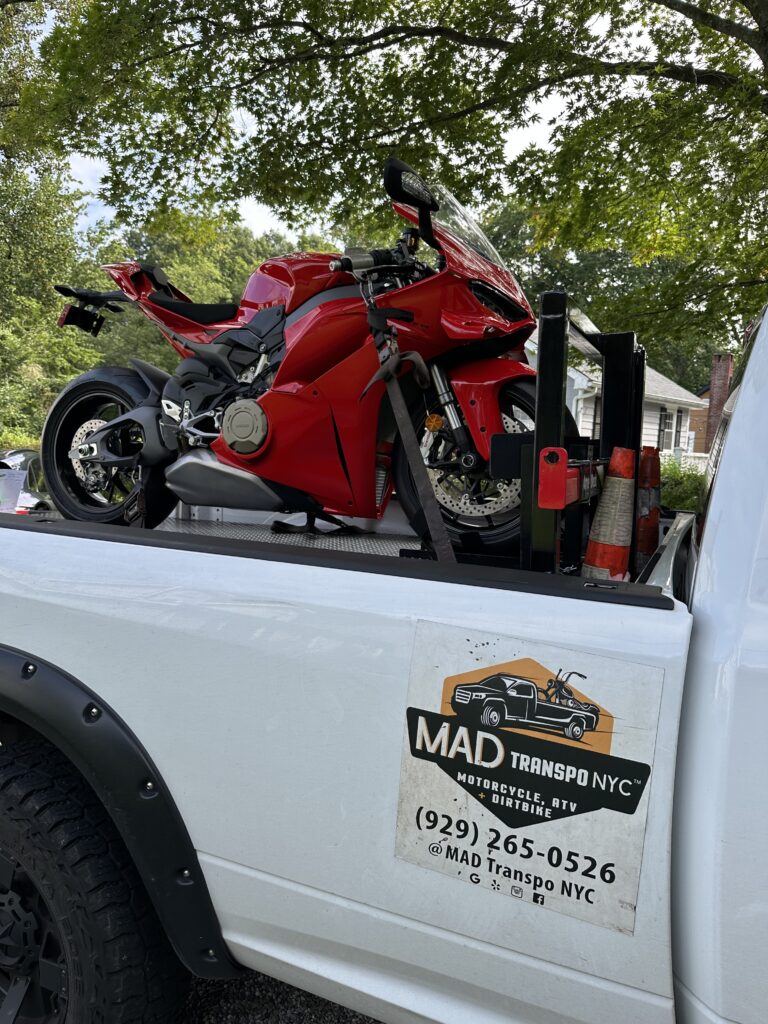
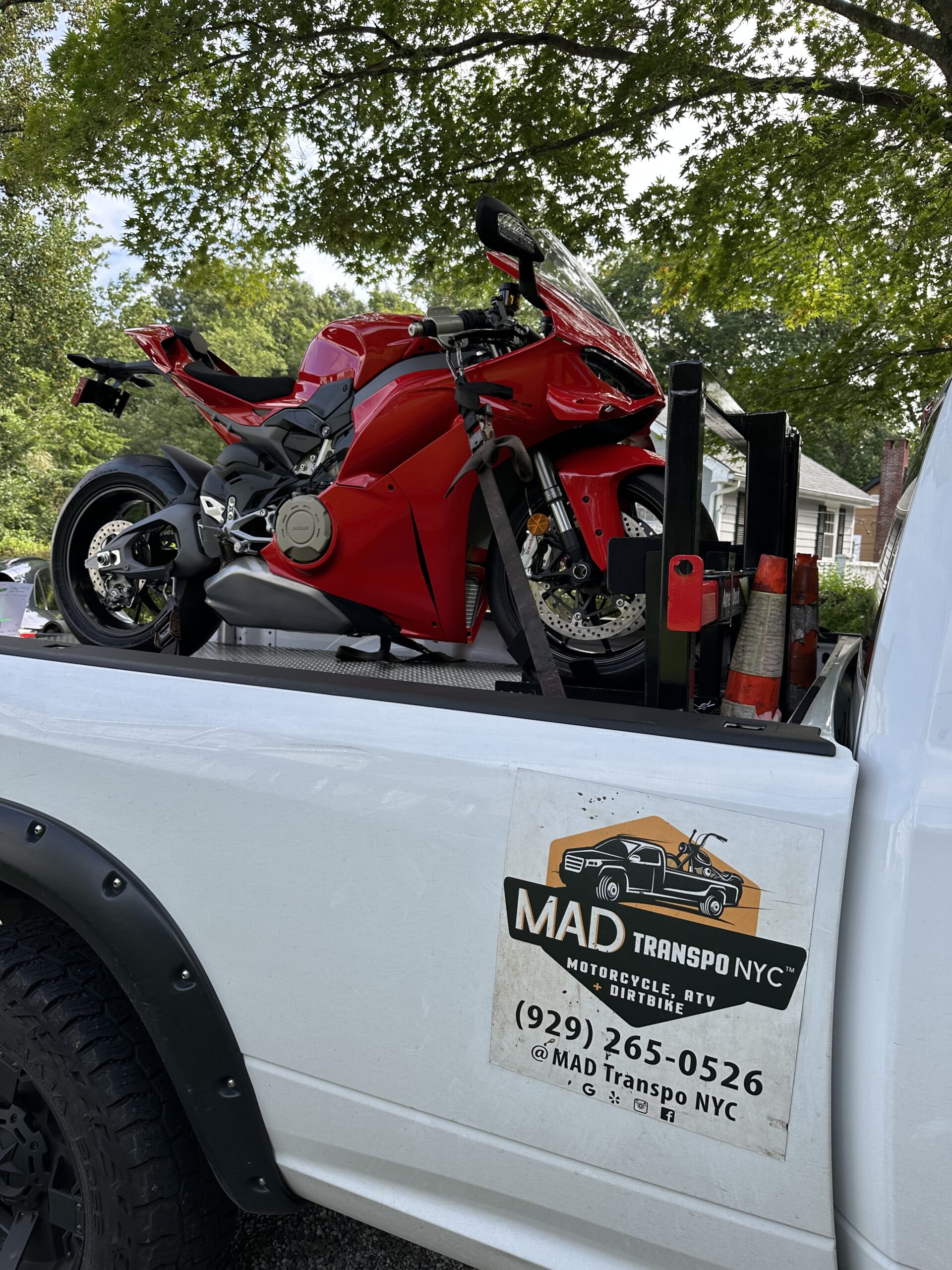
And if the unexpected happens, MAD Transpo NYC provides professional motorcycle towing and transport services throughout New York City, helping riders get their bikes where they need to go safely and efficiently.