
Winter transforms NYC streets into a traction hazard for motorcycles. Cold air stiffens tires, reduces friction, and increases the chance of slipping on surfaces riders normally trust. Understanding how winter affects grip can prevent accidents and make cold weather riding safer.
Why Tire Grip Drops in Winter
1. Cold Rubber Hardens
Rubber needs heat to stay flexible. In winter, rubber becomes stiff and loses grip.
2. Tires Warm Slowly
Tires heat from road friction. Cold roads remove heat faster than the tire can build it.
3. Lower Tire Pressure
Cold air compresses, causing tires to lose PSI. Underinflated tires:
- Handle poorly
- Corner unpredictably
- Increase braking distance
4. Hazardous NYC Surfaces Freeze Faster
- Manhole covers
- Crosswalk paint
- Painted lane markers
- Steel plates
- Bridge surfaces
These areas become slick even when regular pavement looks dry.
How Winter Affects Motorcycle Handling
- Reduced traction while cornering
- Longer braking distances
- Slower steering response
- Higher likelihood of fishtailing
- Increased chance of low-side crashes
Surfaces NYC Riders Should Avoid in Winter
- Wet or shiny looking pavement
- Black ice near riverfronts and bridges
- Slush piles near intersections
- Salt covered patches
- Areas shaded from sunlight
How to Improve Traction Safely
- Check tire pressure weekly
- Ride smoothly with gentle throttle and braking
- Keep speeds conservative
- Warm tires gradually before leaning
- Replace worn tires immediately
- Avoid riding at dawn or late night, when pavement is coldest
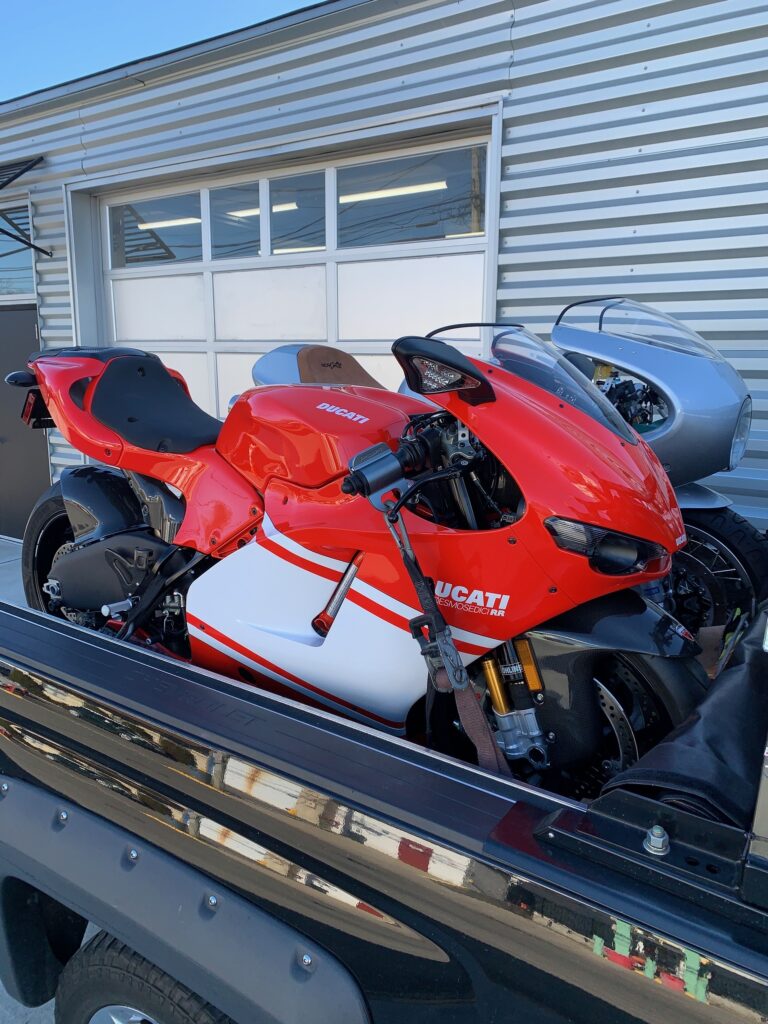
If a rider feels unsafe or encounters icy conditions, a transport service prevents unnecessary risk. MAD Transpo NYC can move the motorcycle anywhere across all five boroughs.