Buying a motorcycle is exciting.
The sound. The freedom. The style. The speed.
Most buyers focus on:
- The price
- The brand
- The engine size
- The look
But what many riders don’t consider are the real-world ownership factors — especially in a city like New York.
Before you buy your next motorcycle, here are critical factors most people overlook — and how they can affect your long-term costs, safety, and peace of mind.
1. Towing & Breakdown Costs
Most new riders never think about towing — until they need it.
Motorcycles break down more frequently in dense urban environments like NYC due to traffic congestion, potholes, weather, and constant stop-and-go riding.
Several key factors determine the final cost of motorcycle towing in NYC:
Distance
Distance is one of the biggest cost drivers.
- Local tow (under 5 miles): Lower cost
- Cross-borough transport: Moderate cost
- Long-distance or out-of-city towing: Higher cost
Traffic patterns also matter. Five miles in Manhattan can take significantly longer than five miles in Queens.
When buying a motorcycle, ask yourself:
- Is this bike reliable?
- Are parts easily available?
- Is it known for electrical or overheating issues?
Because one breakdown can quickly turn into a $150–$250 tow.
2. Time of Day Breakdown Risk
Motorcycles don’t choose convenient times to fail.
NYC never sleeps — and neither does traffic enforcement.
Towing costs often vary based on:
- Standard business hours: Lower rates
- Late night or early morning calls: Higher rates
- Holiday calls: Premium pricing
Emergency towing at 2 AM often requires immediate dispatch and priority service.
If you’re buying an older used bike or high-performance machine, breakdown risk increases — and so does the likelihood of after-hours towing.
3. Where You Ride Matters
Most buyers think about horsepower — not location complexity.
In NYC, where your bike breaks down affects both safety and cost.
Examples:
- Midtown Manhattan: High traffic, congestion pricing zones
- Brooklyn: Bridge and tunnel access complications
- Bronx highways: Limited shoulder space
- FDR Drive: Dangerous breakdown location
High-risk or restricted access areas can increase costs due to time, permits, or safety considerations.
If you plan to commute daily in heavy traffic zones, your breakdown risk increases significantly.
4. Accident & Emergency Recovery Costs
It’s not just breakdowns — accidents happen too.
Emergency recovery may involve:
- Accident scene coordination
- Police involvement
- Hazard cleanup
- Secure storage
These situations require additional time and handling, which impacts cost.
Sport bikes and high-torque motorcycles often increase accident risk for newer riders. Insurance and emergency towing considerations should factor into your purchase decision.
5. Specialized Equipment Handling
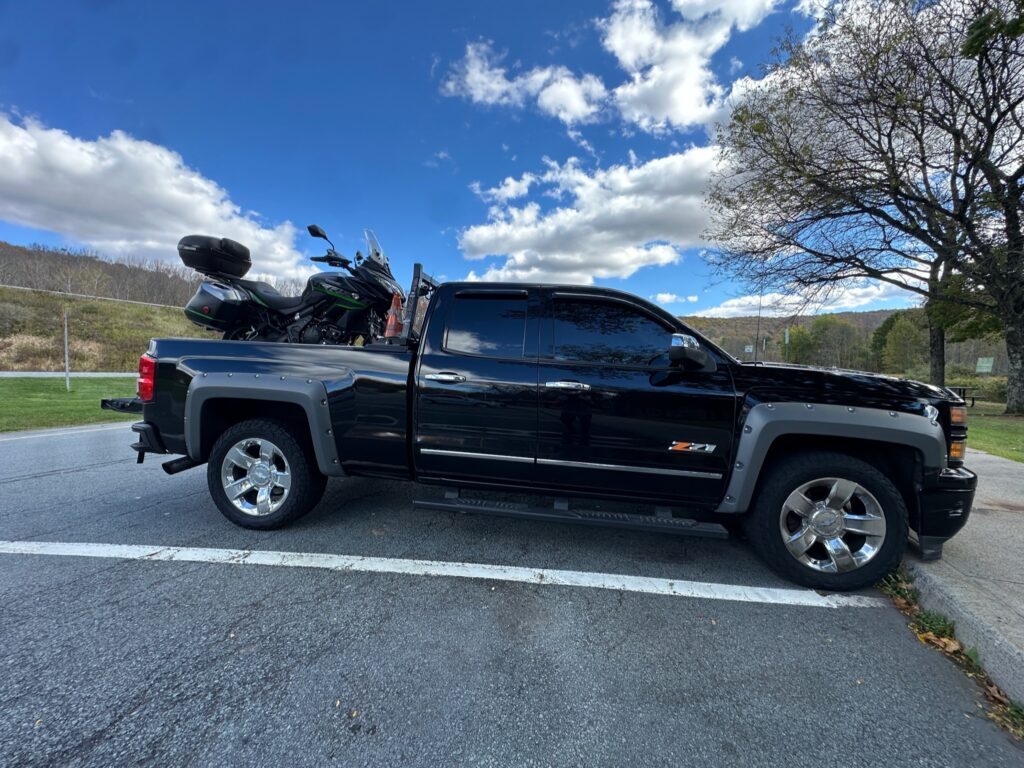
Not all tow trucks are equipped to handle motorcycles properly.
Motorcycle towing requires:
- Flatbed trucks
- Wheel chocks
- Soft-strap tie-down systems
- Proper weight distribution
Improper equipment can cause damage to forks, fairings, frames, or transmissions.
If you’re buying an expensive or custom bike, understand that transport and recovery must be handled professionally — or repair costs skyrocket.
6. Insurance Premium Differences
Insurance isn’t equal across all motorcycles.
Factors affecting insurance:
- Engine displacement
- Sport vs cruiser vs touring
- Theft rate in NYC
- Storage situation
- Rider experience
Some high-performance bikes can cost significantly more to insure in NYC due to theft risk and accident data.
7. Maintenance Frequency in Urban Riding
City riding is harder on motorcycles than highway riding.
NYC causes:
- Faster brake wear
- Increased clutch strain
- Higher engine temperatures
- Chain wear from constant stop-start
That means more frequent maintenance.
Buying a bike with high maintenance intervals may look appealing — until you’re servicing it twice as often due to city riding conditions.
8. Parking & Theft Risk
NYC is one of the highest motorcycle theft cities in the country.
Before buying, consider:
- Do you have garage access?
- Will you park on the street?
- Do you need anti-theft systems?
- Is the model commonly stolen?
Popular sport bikes are prime targets.
The cost of theft prevention and comprehensive insurance should factor into your decision.
9. Weather Impact on Ownership
NYC weather is brutal.
- Snow
- Ice
- Salt
- Rain
- Heat waves
Salt causes corrosion.
Cold drains batteries.
Heat stresses cooling systems.
Some bikes handle weather better than others.
If you don’t plan to winter-store properly, long-term damage increases.
10. Resale Value in a City Market
Not all motorcycles retain value equally in NYC.
Factors influencing resale:
- Brand popularity
- Fuel efficiency
- Practicality in city traffic
- Insurance affordability
- Maintenance reputation
Sometimes the flashy sport bike depreciates faster than a practical commuter model.
Final Thought: Think Beyond the Purchase Price
The biggest mistake buyers make is focusing only on:
“How much does the bike cost?”
Instead, ask:
- What will it cost to maintain?
- What will towing cost if it breaks down?
- What happens if it fails in Midtown traffic?
- Can I safely transport it if needed?
Motorcycle ownership in NYC is different from suburban or rural riding.
Planning ahead saves money — and stress.
If you ever do find yourself stranded, having a professional motorcycle towing service in NYC like MAD Transpo NYC is ready to ensure your investment is handled safely and correctly.